
We Build Payment Gateways for FinTech Companies
Merchant payment processing infrastructure with AI-powered routing that handles online payments, subscriptions, and multi-currency transactions. PCI-DSS compliant, integrated with major payment networks.
What’s included
Core Payment Processing:
- ✓ Payment acceptance (credit/debit cards, ACH, wire transfers)
- ✓Tokenization and secure card storage
- ✓3D Secure authentication (3DS2)
- ✓AI/ML-powered payment routing
- ✓Transaction authorization and capture
- ✓Refund and chargeback handling
- ✓Recurring billing and subscriptions
- ✓One-click checkout (saved payment methods)
AI/ML Smart Routing Engine:
- ✓Machine learning models
- ✓Real-time routing decisions
- ✓Automated model training
- ✓Multi-PSP optimization
- ✓Cost optimization
- ✓Feature engineering
- ✓A/B testing framework
- ✓Fallback cascading
- ✓Performance monitoring
- ✓Explainable AI
Multi-Currency & International:
- ✓Multi-currency processing (150+ currencies)
- ✓Dynamic currency conversion (DCC)
- ✓International card network support (Visa, Mastercard, Amex, Discover)
- ✓Local payment methods (SEPA, iDEAL, Bancontact, etc.)
- ✓Currency exchange rate management
- ✓Cross-border transaction handling
- ✓Tax calculation and VAT handling
- ✓Geographic routing optimization
Payment Network Integrations:
- ✓Card network connections (Visa, Mastercard)
- ✓Payment processor integration (Stripe, Adyen, Checkout.com, Worldpay)
- ✓Multi-PSP architecture
- ✓ACH/Direct debit processing
- ✓Wire transfer handling
- ✓Alternative payment methods (PayPal, Apple Pay, Google Pay)
- ✓ Buy Now Pay Later integration (Klarna, Afterpay)
- ✓Cryptocurrency payment acceptance (optional)
Merchant Features:
- ✓Merchant onboarding and underwriting
- ✓Multi-merchant platform support (marketplace model)
- ✓Split payments and payouts
- ✓Merchant dashboard and analytics
- ✓AI routing insights dashboard
- ✓AI routing insights dashboard
- ✓Payout scheduling (daily, weekly, monthly)
- ✓Fee management and calculation
Risk & Fraud Prevention:
- ✓Real-time fraud detection
- ✓Risk scoring and rules engine
- ✓3D Secure integration
- ✓Address Verification Service (AVS)
- ✓Card Verification Value (CVV) checking
- ✓ Velocity checks and rate limiting
- ✓Machine learning fraud models
- ✓ML routing collaboration
- ✓Chargeback prevention and management
Developer Tools:
- ✓RESTful API
- ✓Webhooks for real-time events
- ✓SDKs (JavaScript, iOS, Android, server-side)
- ✓Hosted payment pages
- ✓Embeddable payment forms
- ✓Testing sandbox environment
- ✓AI routing test mode
- ✓ API documentation and integration guides
Reporting & Analytics:
- ✓Transaction reporting
- ✓Settlement reports
- ✓Chargeback reports
- ✓Revenue analytics
- ✓Failed payment analysis
- ✓AI routing performance reports
- ✓PSP performance comparison
- ✓Feature importance insights
- ✓Custom report builder
- ✓Export to CSV/Excel
Platform Delivery:
- ✓Backend payment processing engine
- ✓ML inference API
- ✓Training pipeline
- ✓Merchant dashboard
- ✓Admin panel for operations
- ✓API gateway and infrastructure
- ✓Database and data warehouse (PostgreSQL + TimescaleDB)
- ✓Model monitoring
- ✓DevOps and monitoring
- ✓ 24/7 uptime SLA architecture
Compliance & regulations
PCI-DSS (Payment Card Industry Data Security Standard)
- •Level 1 Compliance: For processing >6M transactions/year
- •SAQ (Self-Assessment Questionnaire): For smaller volumes
- •Annual Compliance: QSA (Qualified Security Assessor) audit
- •Tokenization: Reduces PCI scope by not storing card data
Payment Processor Requirements:
- • Visa/Mastercard Rules
- • Payment Processor Certification
- • Settlement Account Requirements:
- • Reserve Requirements
Merchant Underwriting & KYC:
- • Business verification
- • Beneficial ownership
- • Business documentation
- • Processing history
- • Website/business review
- • Ongoing monitoring
AML/KYC Requirements
- • Customer Due Diligence (CDD)
- • Transaction Monitoring
- • Suspicious Activity Reporting (SAR)
- • OFAC Screening
- • Record Keeping
Chargeback & Dispute Handling:
- • Chargeback Thresholds
- • Dispute Resolution
- • Chargeback Representment
- • VAMP (Visa Acquirer Monitoring Program)
- • Mastercard EFM (Excessive Fraud Merchant)
Data Security:
- • Encryption
- • Tokenization
- • Key Management
- • Penetration Testing
- • Incident Response
What We Provide:
- ✓ PCI-DSS Level 1 compliance architecture
- ✓ Money transmitter license application support
- ✓ Payment processor integration and certification
- ✓ AML/KYC workflow implementation
- ✓ Chargeback management system
- ✓ Security audit coordination (QSA engagement)
- ✓ Compliance documentation and policies
4 challenges we overcame
Challenge 1: AI-Powered Payment Routing That Actually Lifts Approval Rates
The Problem
Most payment gateways use simple rule-based routing ("German cards → Adyen, US cards → Stripe") or round-robin, leaving 5-15% of revenue on the table from avoidable declines. Building ML routing is hard: you need enough transaction data, real-time inference (<50ms), continuous retraining, and explainable decisions. Many attempts fail due to overfitting (model memorizes training data), data quality issues, or unacceptable latency.
What We Faced
Cold Start Problem:
No historical data initially (can't train model without data, can't collect good data without model)
Real-Time Requirements:
Routing decision must happen <50ms (checkout can't wait)
Feature Engineering:
What signals actually predict approval? (card BIN? time of day? amount? geography?)
Model Selection:
Complex models (neural nets) overfit on small data, simple models miss patterns
Multi-PSP Coordination:
Need to integrate 3-5 PSPs, handle failover, maintain contracts
Explainability:
Merchants need to understand why AI chose specific PSP (not black box)
Cost vs Approval Tradeoff:
Highest approval PSP might have higher fees (need to balance)
Continuous Learning:
Model degrades over time as PSP performance changes (need automated retraining)
Bootstrapping:
Initial merchants have low volume (100-1,000 txns/month = insufficient training data)
How We Solved It
Phase 1: Bootstrap with Hybrid Approach (Months 1-3)
Random Exploration:
- First 10,000 transactions randomly distributed across PSPs
- Creates unbiased training dataset
- Explores all PSP performance across transaction types
- Painful short-term (suboptimal routing) but essential for quality data
Data Collection Pipeline:
- Captured every transaction feature (card BIN, country, amount, time, merchant)
- Recorded PSP decision, response time, approval/decline, error codes
- Stored in PostgreSQL + TimescaleDB (optimized for time-series analysis)
Rule-Based Fallback:
- While collecting data, used basic rules (geographic preference)
- Better than random, worse than eventual ML
Phase 2: Train First ML Models (Months 3-6)
Feature Engineering Strategy:
- Time features: hour_of_day, day_of_week, is_weekend
- Card features: BIN (first 6 digits), card_brand, card_type
- Geographic features: customer_country, bank_country, is_cross_border
- Transaction features: amount, amount_log, amount_bin (tiny/small/medium/large)
- PSP real-time performance: approval_rate_last_1h, avg_latency_1h (SECRET SAUCE)
- One-hot encoding: Convert text categories to binary columns
Model Architecture:
- One model per PSP (Stripe model, Adyen model, Checkout model)
- Each predicts: "Will THIS PSP approve this transaction?"
- LightGBM chosen:Fast training (30 sec), fast inference (5ms), excellent for tabular data
- Alternative considered: XGBoost (slower), CatBoost (better for categoricals), TabNet (needs 10x more data)
Training Infrastructure:
- Apache Airflow: Automated daily retraining at 2 AM
- MLflow: Experiment tracking (compare model versions)
- A/B Testing: New model deployed to 10% traffic first, then 100% if better
- Validation: Required 5%+ approval lift vs baseline before production
Phase 3: Production Deployment (Months 6-9)
Inference Architecture:
- FastAPI: Real-time prediction API (<50ms SLA)
- Redis Feature Store: Pre-computed PSP performance metrics (1ms lookup)
- Load on Startup: Models loaded into memory at API start (not fetched per request)
- Fallback: If ML service down, fall back to rule-based routing
Routing Logic:
- For each transaction:
- Fetch features from Redis (5ms)
- Get predictions from all PSP models (3 models × 5ms = 15ms)
- Combine with cost data (1ms)
- Rank PSPs: (approval_prob × 0.7) + (cost_savings × 0.3)
- Return best PSP (total: <50ms)
Cost-Approval Balancing:
- Not always route to highest approval if fees are 2x higher
- Optimize for expected net revenue = (approval_prob × transaction_value) - fees
- Merchant-configurable: prefer approval vs prefer cost savings
Phase 4: Continuous Improvement (Ongoing)
Feedback Loop:
- Every transaction outcome updates training data
- Declined transactions analyzed (which PSP would have approved?)
- Model retrains daily on last 90 days of data
Model Drift Detection:
- Monitor prediction accuracy weekly
- Alert if accuracy drops >5% (indicates PSP behavior changed)
- Trigger emergency retraining if drift detected
Feature Importance Analysis:
- Discovered surprising patterns:
Hour of day = 2nd most important feature (18% importance)
- Cross-border flag more important than card brand
- Weekend transactions approve 6% less on Stripe, 2% more on Adyen
Per-Merchant Tuning:
- High-volume merchants (>10K txns/month) get custom models
- Low-volume merchants share pooled model
Business Outcomes
- ✓+12% approval rate lift (baseline 81% → ML-routed 93%)
- ✓18% cost reduction through optimal PSP selection
- ✓$1.8M additional annual revenue per $50M processing volume
- ✓<50ms routing decision time (real-time performance maintained)
- ✓87-92% model accuracy across different PSPs
- ✓Automated daily retraining (no manual intervention)
Challenge 2: PCI-DSS Level 1 Compliance for Payment Gateway
The Problem
Spayon needed PCI-DSS Level 1 compliance (most stringent level) to process payments directly without relying entirely on third-party processors. Level 1 requires annual QSA audit, comprehensive security controls, and significant infrastructure investment. Most startups avoid this by using Stripe/Braintree, but client wanted direct processor relationships for better economics and to feed proprietary transaction data into AI routing models.
What We Faced
- Network Segmentation: Cardholder Data Environment (CDE) must be isolated
- Encryption Requirements: End-to-end encryption, key rotation, HSM usage
- Access Controls: Multi-factor authentication, least privilege, audit logging
- Vulnerability Management: Quarterly scans, penetration testing, patch management
- Physical Security: If any on-premise infrastructure
- Documentation: 300+ pages of policies, procedures, evidence
- Annual Audit: 3-week QSA engagement costing $50K+
- Initial Architecture: Client had monolithic app storing card data (non-compliant)
- ML Data Requirements:Need transaction metadata for routing (non-sensitive) without storing card numbers
How We Solved It
Tokenization Strategy:
- Implemented tokenization to reduce PCI scope
- Card data captured in iframe (hosted by payment processor)
- Only tokens stored in application database
- Reduced CDE to token vault and payment processing service
ML models train on non-sensitive metadata:
- card BIN (not full number), transaction amount, geography, time, approval/decline outcome
Network Architecture:
- Separate VPC for CDE (AWS)
- Jump boxes for administrative access
- No direct internet access to CDE
- WAF (Web Application Firewall) for external traffic
- ML inference API in separate, non-PCI VPC (only receives metadata)
Encryption & Key Management:
- AWS KMS for token encryption
- TLS 1.3 for data in transit
- Database encryption at rest
- Key rotation every 90 days
Access Controls:
- MFA for all administrative access
- Role-based access control (RBAC)
- Privileged access management (PAM) solution
- Session recording for audit trail
Monitoring & Logging:
- Centralized logging (ELK stack)
- SIEM for security event monitoring
- File integrity monitoring (FIM)
- Intrusion detection system (IDS)
ML model audit logs:
- Every routing decision logged with reasoning
QSA Engagement:
- Selected PCI-certified QSA
- Gap analysis before formal audit
- Remediated all findings before audit
- Passed Level 1 audit on first attempt
ML system reviewed:
- QSA verified no card data in training pipeline
Business Outcomes
- ✓ Achieved PCI-DSS Level 1 certification
- ✓Direct processor relationships reduced costs by 40 basis points
- ✓Proprietary transaction data fuels AI models (competitive moat)
- ✓Able to process $100M+ annually under own certification
Challenge 3: Multi-State Money Transmitter Licensing (United States)
The Problem
Spayon needed money transmitter licenses in 48+ US states to legally process payments. Each state has different requirements, application processes, and timelines (3-18 months per state). Total cost: $500K+ in licensing fees, bonds, and legal costs. Can't process payments in a state without license.Multi-PSP architecture with AI routing added complexity (regulators questioned "who is the money transmitter?")
What We Faced
48+ Separate Applications: Each state has unique requirements
Surety Bonds: Required in most states ($10K-$500K per state)
Financial Statements: Audited financials required
Background Checks: Fingerprinting, criminal background for owners/officers
Business Plans: Detailed business plan per state
Compliance Programs: AML program, privacy policy, security policies
Application Fees: $5K-$100K per state (non-refundable)
Timeline: 6-18 months per state for approval
Ongoing Compliance: Annual renewals, quarterly reports, examinations
Catch-22: Can't operate without license, but states want to see existing operations
Multi-PSP Complexity: Regulators asked: "Are you transmitting money or is the PSP? Who holds customer funds?"
How We Solved It
Phased Approach:
- Phase 1: Applied in 10 high-priority states (CA, NY, TX, FL, IL, PA, OH, etc.)
- Phase 2: Applied in 20 medium-priority states
- Phase 3: Applied in remaining states
State Licensing Consultants:
- Hired specialized law firm (FinTech licensing experts)
- Used their templates and processes
- Leveraged relationships with state regulators
Explained AI routing architecture:
- Platform routes to licensed PSPs (not transmitting directly)
Bond Program:
- Established surety bond program with insurance provider
- Blanket bond covering multiple states (cost savings)
- Financial strength demonstration (balance sheet, investors)
Compliance Program:
- Developed comprehensive AML/BSA program
- Created policies and procedures manual
- Appointed Chief Compliance Officer
- Implemented transaction monitoring system
AI routing transparency:
- Documented decision-making process for regulators
Application Optimization:
- Created "master application" document
- Customized per state requirements
- Parallel processing (submitted multiple states simultaneously)
- Responded quickly to regulator questions
Clarified business model:
- Payment facilitator routing to licensed processors
Temporary Solution:
- Operated through payment processor (licensed) while applications pending
- Collected AI training data even during temporary solution phase
- Gradually transitioned merchants to direct processing as licenses approved
Business Outcomes
- ✓Obtained licenses in 10 priority states within 12 months
- ✓Full 48-state licensing within 24 months
- ✓Total cost: $480K (fees, bonds, legal) - as expected
- ✓Able to process payments nationwide legally
- ✓Multi-PSP architecture approved by regulators
- ✓AI routing system deemed compliant
Challenge 4: Real-Time Fraud Detection Integrated With AI Routing
The Problem
Payment gateways face constant fraud attempts (stolen cards, account takeover, friendly fraud). Blocking fraud is essential, but blocking legitimate transactions loses revenue and frustrates customers. Industry average: 1-3% false positive rate means $1-3M in lost revenue per $100M processed. Challenge: Integrate fraud detection with AI routing (fraud score should influence PSP selection, but can't slow down <50ms routing decision).
What We Faced
Card Testing: Fraudsters test stolen cards with small transactions
Friendly Fraud: Customers claim unauthorized transaction after receiving goods
Account Takeover: Stolen credentials used for fraudulent purchases
Velocity Fraud: Multiple transactions in short time period
False Positives: Blocking legitimate high-value transactions
Customer Friction: Too many security checks = cart abandonment
Chargeback Costs: $15-100 per chargeback regardless of outcome
Processor Penalties: High fraud rates = higher fees or termination
Integration Complexity: Fraud score must feed into routing decision in real-time (<50ms total)
Cascading Risk: If high-risk transaction routed to wrong PSP, both fraud AND decline
How We Solved It
Multi-Layer Fraud Detection:**
1.Device Fingerprinting: Track device ID, IP, browser
2.Behavioral Analysis: Mouse movements, typing speed, time on page
3.Velocity Rules: Limit transactions per card/IP/device
4.AVS/CVV Matching: Address and CVV verification
5.3D Secure: Step-up authentication for high-risk
6. Machine Learning Fraud Model:Separate from routing model (trained on fraud labels)
Risk Scoring System:
- Every transaction scored 0-100 (fraud likelihood)
- <30: Auto-approve, route normally with AI
- 30-70: Apply additional checks (3DS), route to conservative PSP
- - >70: Auto-decline or hold for manual review (don't route)
Fraud Score as Routing Feature:
- Key Innovation: Fraud score becomes input to routing models
- High fraud score (60-70) → Route to PSP with better fraud detection (Adyen)
- Low fraud score (<20) → Route based on approval probability only
- Learned patterns:"High-risk German cards approve 85% on Adyen, 65% on Stripe"
Merchant-Specific Tuning:
- Each merchant has custom risk profile
- High-risk industries (electronics, digital goods) = stricter rules
- Low-risk industries (groceries, subscriptions) = relaxed rules
- AI routing adapts per merchant risk profile
Real-Time Decision Engine:
Parallel processing:
- Fraud check + routing decision happen simultaneously
- Fraud check: <30ms
- Routing decision: <50ms
- Total: <100ms (acceptable checkout latency)
- Fallback rules if ML model unavailable
Chargeback Intelligence:
- Track chargebacks back to risk signals
- Update fraud model based on chargeback outcomes
- Identify friendly fraud patterns
- Feed chargeback data into routing model:"Avoid PSP X for transaction type Y (high chargeback rate)"
Merchant Tools:
- Fraud dashboard showing risk signals
- Manual review queue for borderline cases
- Whitelist/blacklist management
- Chargeback dispute evidence collection
AI routing insights: See which PSP chosen for high-risk transactions
Business Outcomes
- ✓Fraud rate reduced from 1.2% to 0.3%
- ✓False positive rate: 0.8% (vs 2-3% industry average)
- ✓Revenue recovered from reduced false positives: $400K annually
- ✓Chargeback rate: 0.5% (vs 1% industry average)
- ✓Learned patterns: AI discovered "risky transaction type X approves 20% better on Adyen"
- ✓Merchants able to process higher-risk transactions safely
Projects we’ve built
 Live
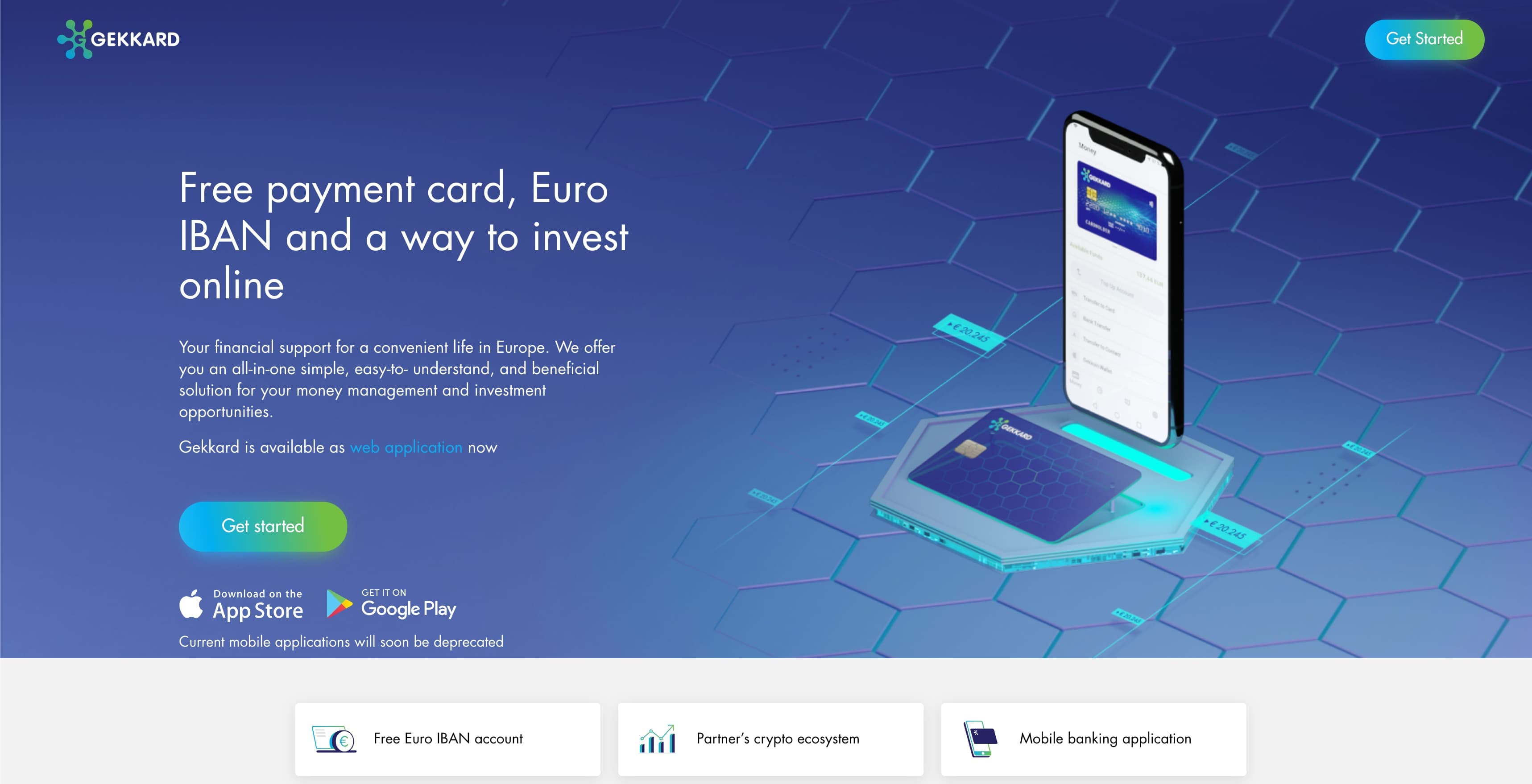
LiveGekkard Mobile Banking & Prepaid Card App
2020fintech · Gekkard / Papaya Ltd
Gekkard is a mobile banking and prepaid‑card application that provides users with a European IBAN account, linked Mastercard (virtual & physical), full transaction management, and a built‑in crypto investment/wallet feature — empowering digital finance on the go.
 Discontinued
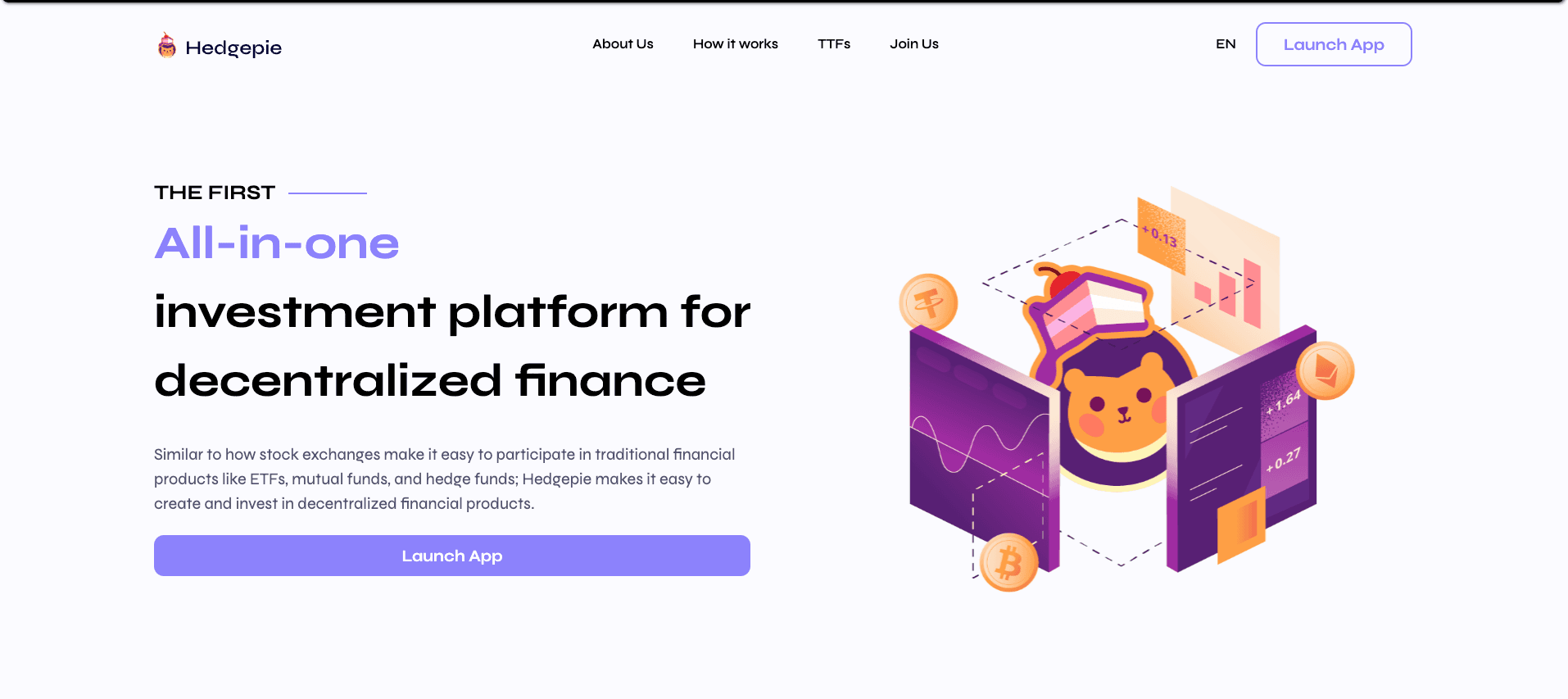
Hedgepie - Investment platform for decentralized finance
2022saas · Hedgepie LLC
If you know exchange-traded funds (ETFs), then you are already familiar with the idea of Token-Traded Funds (TTFs). An ETF is a collection of financial products, like stocks, bonds, etc., while a TTF is a collection of decentralized financial products, like tokens, lending positions, liquidity positions, stake positions, and real-world assets. This is what Hedgepie is about - TTF portfolio management.
 Live
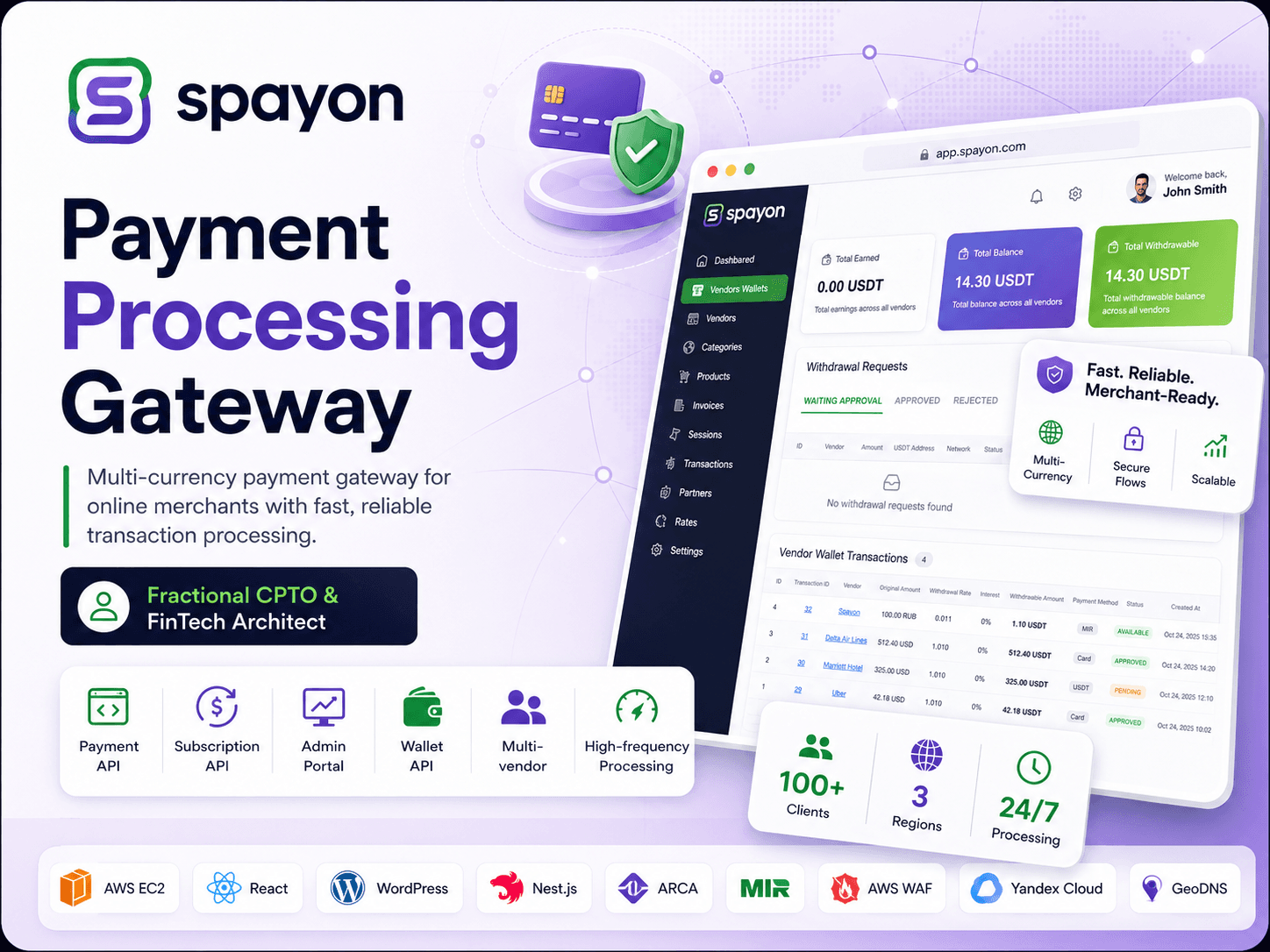
LiveSpayon - Payment processing gateway for merchants
2025fintech · Spayon LLC
Spayon is a multi-currency payment processor gateway for online merchants. It is a reliable and fast way to receive payments online for 100+ clients in Central Asia, Europe and North America.
 Discontinued
FTFTex - Leading Centralized Crypto Exchange in MENA region
2023crypto · FTFTex Ltd.
FTFTex, a subsidiary of Nasdaq-listed Future Fintech Company (NASDAQ: FTFT) a one-stop cryptocurrency trading application for individuals and institutions allowing users to perform KYC checks and trade across leading exchanges, access real-time, high-quality, reliable cryptocurrency trading data and prices, up-to-date cryptocurrency news, fast market monitoring, and comprehensive cryptocurrency trading community strategies using a single application.
 Live
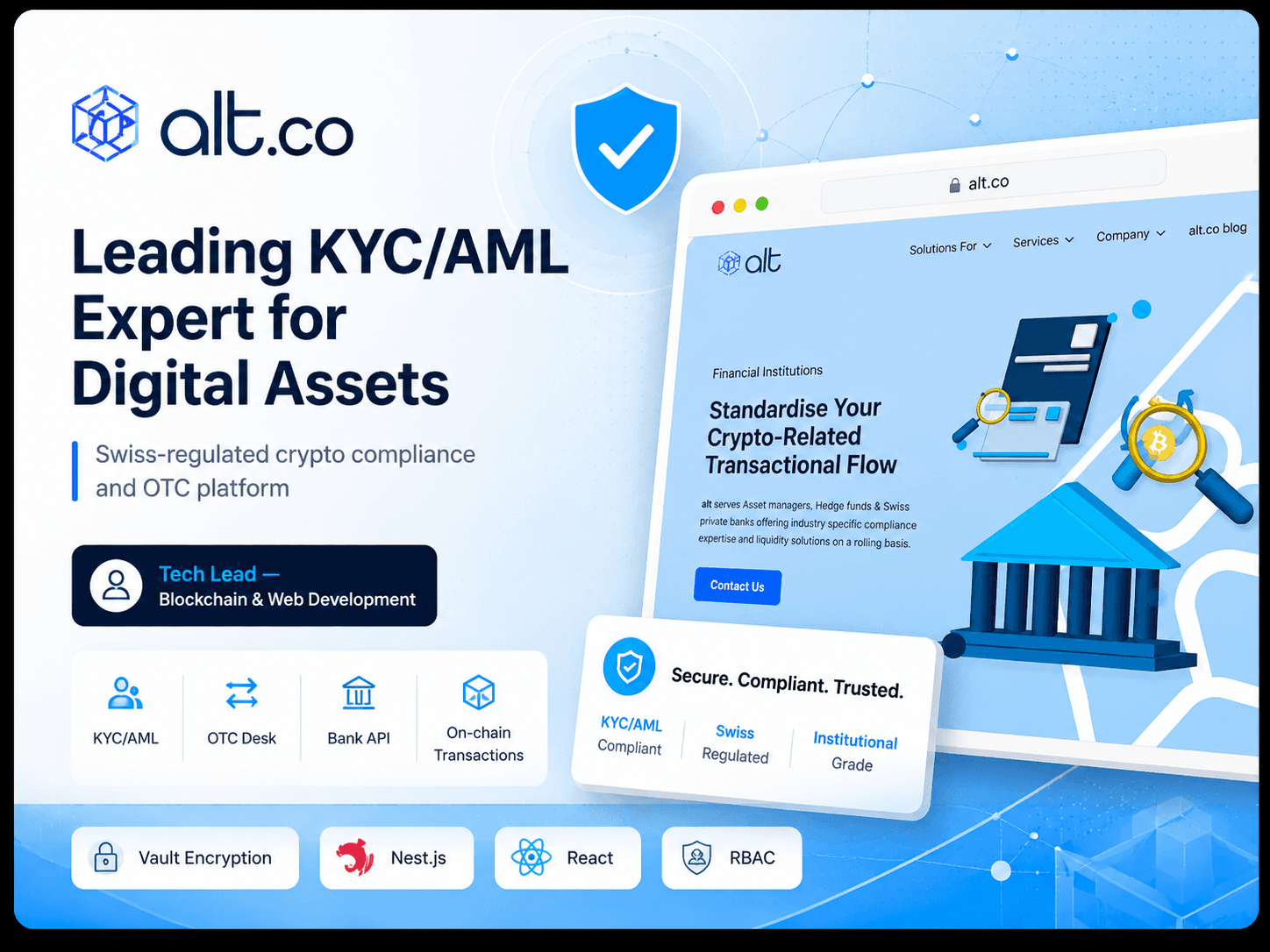
LiveAltcoinomy - Leading KYC/AML expert for digital assets
2022crypto · Iabsis SARL
Alt has helped countless individuals, corporates and banks navigate the most stringent regulatory requirements. As a Swiss financial intermediary and crypto-broker, we specialise in high-end transactions through our OTC desk and act as clearer and paymaster of funds.
Pricing & timeline
Starting investment: $180,000 – $450,000
Timeline: 7-14 months
What Determines Price:
- Payment methods supported (cards only vs multi-method)
- Geographic scope (single country vs international)
AI routing complexity (2-3 PSPs vs 5+ PSPs, simple vs advanced features)
- Licensing requirements (direct processing vs processor partnership)
- Merchant features (single merchant vs marketplace)
- Advanced features (subscriptions, split payments, fraud detection)
- Compliance level (PCI-DSS Level 1 vs Level 4)
ML infrastructure basic routing vs per-merchant tuning, standard vs custom features
Typical Engagement:
Months 1-3: Foundation
- Architecture design (multi-PSP infrastructure)
- Core payment processing engine
- Processor integrations (2-3 initial PSPs)
- Tokenization and PCI compliance foundation
- Data collection pipeline (PostgreSQL + TimescaleDB)
- Random routing exploration (first 10K transactions)
Months 4-6: Core Features + ML Bootstrap
- Merchant features (onboarding, dashboard)
- Fraud detection (rule-based initial version)
- Feature engineering pipeline
- First ML models trained (LightGBM per PSP)
- A/B testing framework (10% ML traffic)
- Basic reporting and analytics
Months 7-9: AI Optimization + Compliance
- ML routing goes to 100% traffic (after validation)
- Automated retraining pipeline (Apache Airflow)
- Real-time feature store (Redis)
- Licensing applications started
- Compliance programs (AML/KYC)
- Security audits preparation
Months 10-12: Launch Preparation
- PCI audit and certification
- ML model monitoring dashboard (Prometheus + Grafana)
- Merchant AI insights dashboard
- Beta merchants onboarding
- Per-merchant model tuning (for high-volume merchants)
- Load testing and optimization
Months 13-14: Launch + Iteration (if needed)
- Production launch
- Continuous ML improvement (daily retraining)
- Money transmitter license approvals (ongoing)
- New PSP integrations (expand routing options)
- Advanced fraud ML model integration
Post-Launch Support:
Payment processor relationship management
ML model maintenance and tuning (monthly reviews)
Feature engineering improvements (discover new signals)
PCI-DSS annual recertification
Money transmitter license renewals
New PSP integration (expand routing options)
Fraud model updates and tuning
A/B testing of routing strategies
New payment method integrations
Chargeback dispute support
Quarterly AI performance reports (approval lift, cost savings)
Why choose CAIAT
AI/ML Routing Expertise:
5-15% approval rate lift, 10-25% cost reduction
Real Production Results:
+12% approval lift, $1.8M annual revenue gain (Spayon case study)
PCI-DSS Level 1 Expertise:
Direct processor relationships, proprietary data collection
Licensing Navigation:
48-state money transmitter licensing experience
Fraud Prevention:
0.3% fraud rate, 0.8% false positive rate, fraud-aware routing
Payment Economics:
Better rates through direct processor relationships + AI optimization
Compliance-First:
AML/KYC, chargeback management, regulatory reporting
Open-Source ML Stack:
LightGBM, FastAPI, Redis, PostgreSQL (no vendor lock-in)
Ready to build your Payment Gateways?
Let’s discuss how this solution can benefit your business.